How I Helped Rahul, Founder @ Deployd, Turn LinkedIn Into A Growth Engine In 60 Days
1. Background Of The Client
Rahul is the founder of Deployd.io, an early-stage startup in the Software Testing and Quality Assurance (QA) industry. Deployd provides “Testing as a Service,” offering end-to-end QA solutions ranging from API testing and performance assessments to automation frameworks, functional testing, regression testing and integration testing.
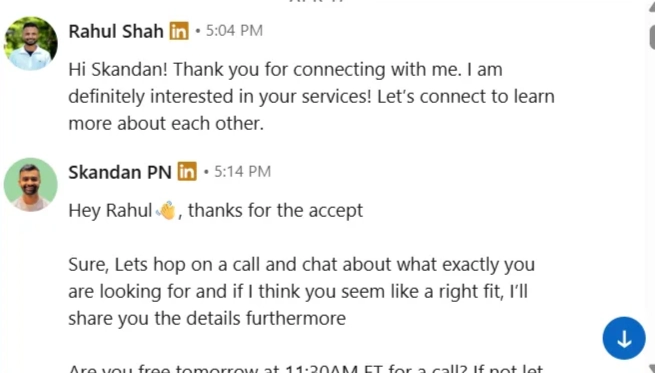
When Rahul reached out to me in April, he already understood the importance of building a founder brand. Unlike other founders, he didn’t need convincing. He was clear that LinkedIn could be a powerful asset to book demos, attract talent and bring awareness for his company.
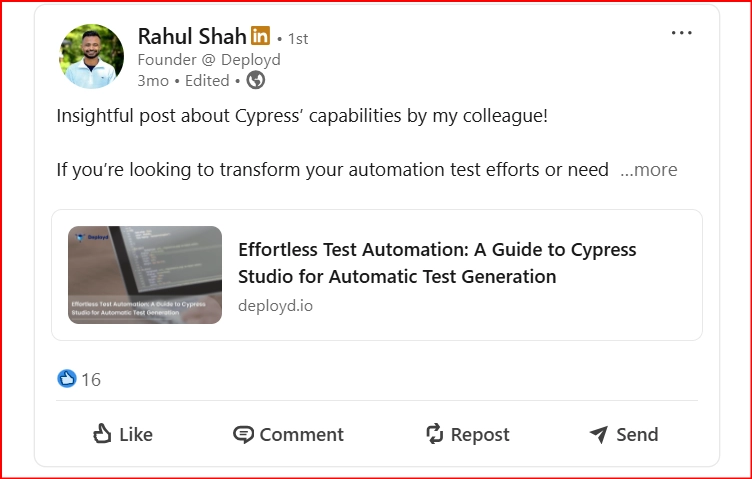
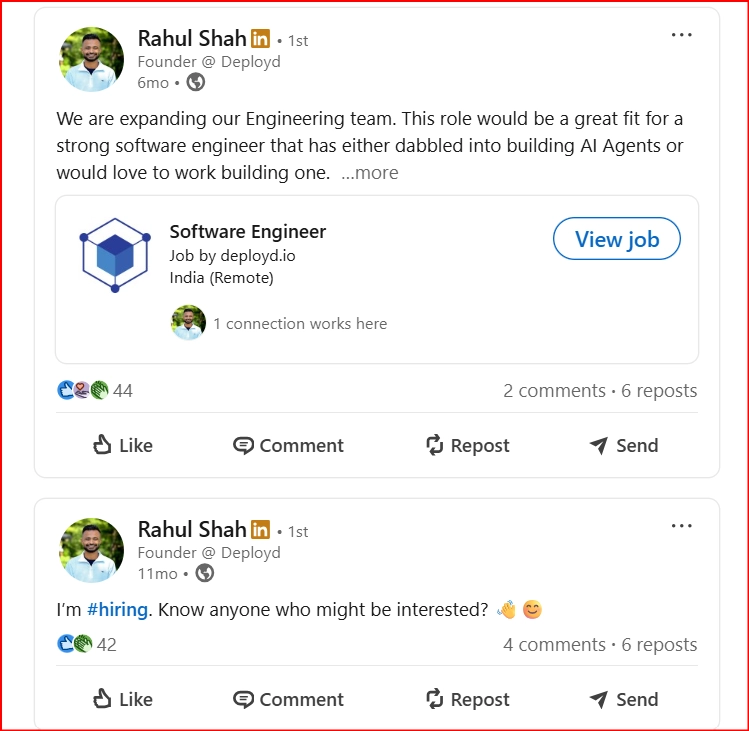
However, at that time when I took a look at his LinkedIn presence , it wasn’t reflecting his expertise or his vision. He wasn’t creating any original content, sharing insights or telling his founder story. His profile wasn’t being used to its full potential like it should be. Instead, his activity was limited to:
- Posting hiring announcements
- Reposting content
- Congratulating people in his network
In short, Rahul was present on LinkedIn but not active in a way that positioned him as a default solution or a category leader in his niche.
When Rahul First Reached Out In April Expressing Interest:
LinkedIn Activity Before We Started Working Together:
2. The Pain Points
When Rahul showed interest in building his founder brand, the first thing I did was that I scheduled a discovery call to get a better understanding of his background, business and LinkedIn goals.
On the day of the discovery call, we spent a good 30 minutes understanding his company’s current state, goals, the challenges on the marketing, sales front and what was holding him back from creating content on his own. Here were those:
1. Sales and Marketing Challenges
From the time Deployd was founded, their only source of leads came through referrals and word of mouth. While this brought in some business, it created an unpredictable pipeline: some weeks were busy, while others were completely dry.
On top of that, they had no marketing or content strategy in place, which meant limited visibility and missed growth opportunities.
In short, Deployd existed in the real world but were practically invisible on the platforms where their ICPs and audience spent time.
2. Goals and Desired Outcomes
- Build awareness for Deployd.
- Build an in built audience that would see him as the default solution in the testing space.
- Lay the foundation for his long-term vision of launching a Substack community, which would require an engaged following to drive traffic and subscribers.
- They were building a SaaS product under the assumption that on the day the product goes live, they’d already have an audience that trusted them, provided feedback during development and made selling easier.
3. Challenges in Creating Content Himself
- Time: He didn’t have the bandwidth to plan, strategize and consistently create content.
- Knowledge gap: He wasn’t familiar with LinkedIn best practices like posting cadence, engagement strategies, profile optimization or content strategies etc.
- Execution: Though he had ideas to share he struggled to get it out of his head to paper.
This was Rahul’s first attempt at creating content/building a founder brand and had little to ZERO understanding of how it works.
He had even spoken with another founder brand consultant before reaching out to me but never moved forward mainly because of time constraints and uncertainty about whether his investment of time and efforts would generate real ROI.
4. Biggest Frustration
By the time Rahul came to me, his biggest frustration was clear: he felt he’d already lost valuable time watching more and more founders start posting. So he didn’t want to fall further behind and he wanted to start building his immediately.
5. How We Agreed To Work Together
After understanding Rahul’s business and challenges, it was clear I could help him. But since this was his first time creating content and he wasn’t familiar with the process, he still remained a bit skeptical about moving forward. After several discussions, back and forth messages, we agreed to run a 2 month trial. This allowed him to experience the process firsthand and understand how this motion works with full transparency.
3. The Collaboration Setup
Once Rahul and I agreed to start, I designed a customized 2 month roadmap tailored to his LinkedIn goals and business, marketing and sales context. The objective was simple: build awareness for both Rahul and Deployd, position him as a default leader and create content that spoke about the problem he was trying to solve. Here were the actions that were taken:
Step 1: Onboarding & Research
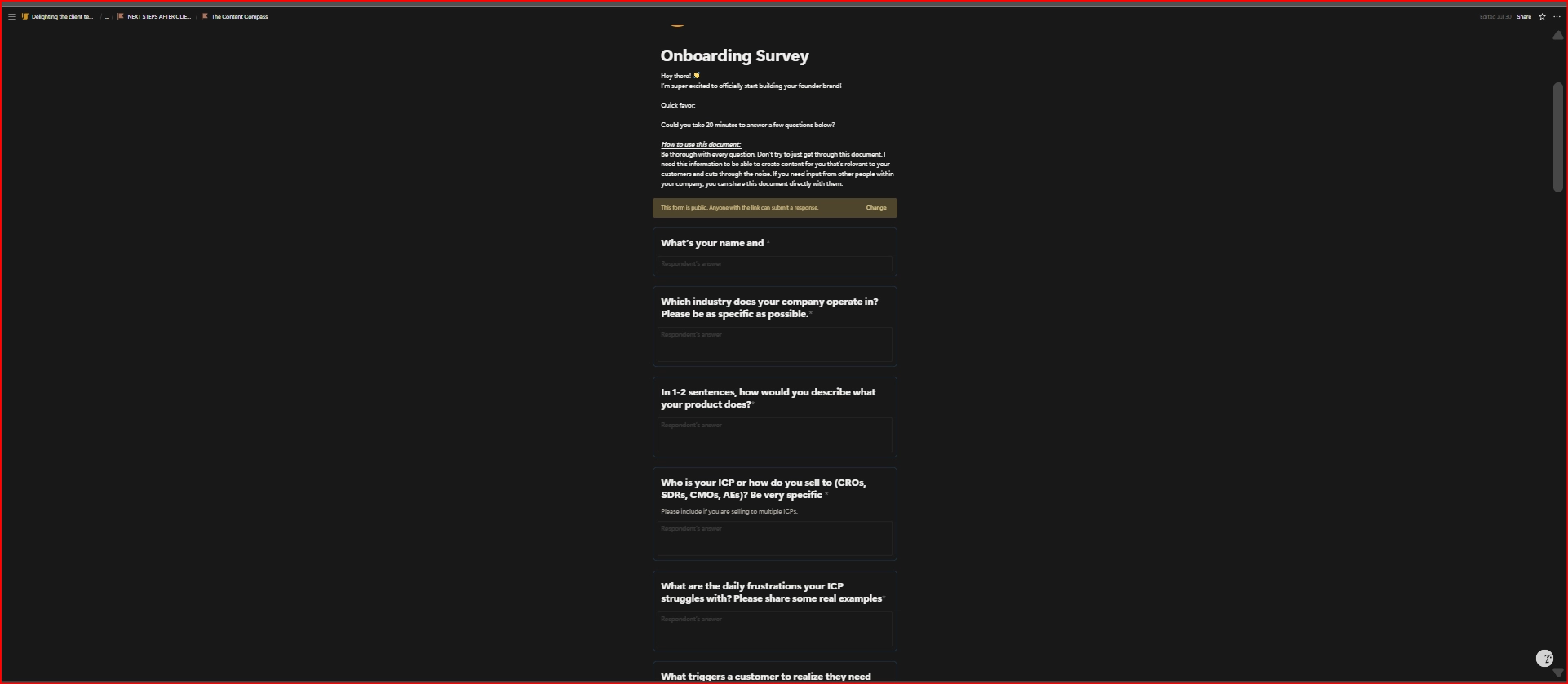
To build this roadmap, I sent Rahul a detailed onboarding survey with 50+ questions covering:
- Business objectives and product positioning
- ICP and customer pain points
- Subject matter expertise
- Branding and communication style and tone of voice
This level of detail was intentional because the only way to build a clear, targeted content strategy is by deeply understanding the founder and their audience.
Glimpse Of The Onboarding Survey:
Step 2: Content Strategy
- 60% Middle-of-Funnel Content → Subject matter expertise
- 40% Top-of-Funnel Content → Founder journey and company insights
Step 3: Content Creation Process
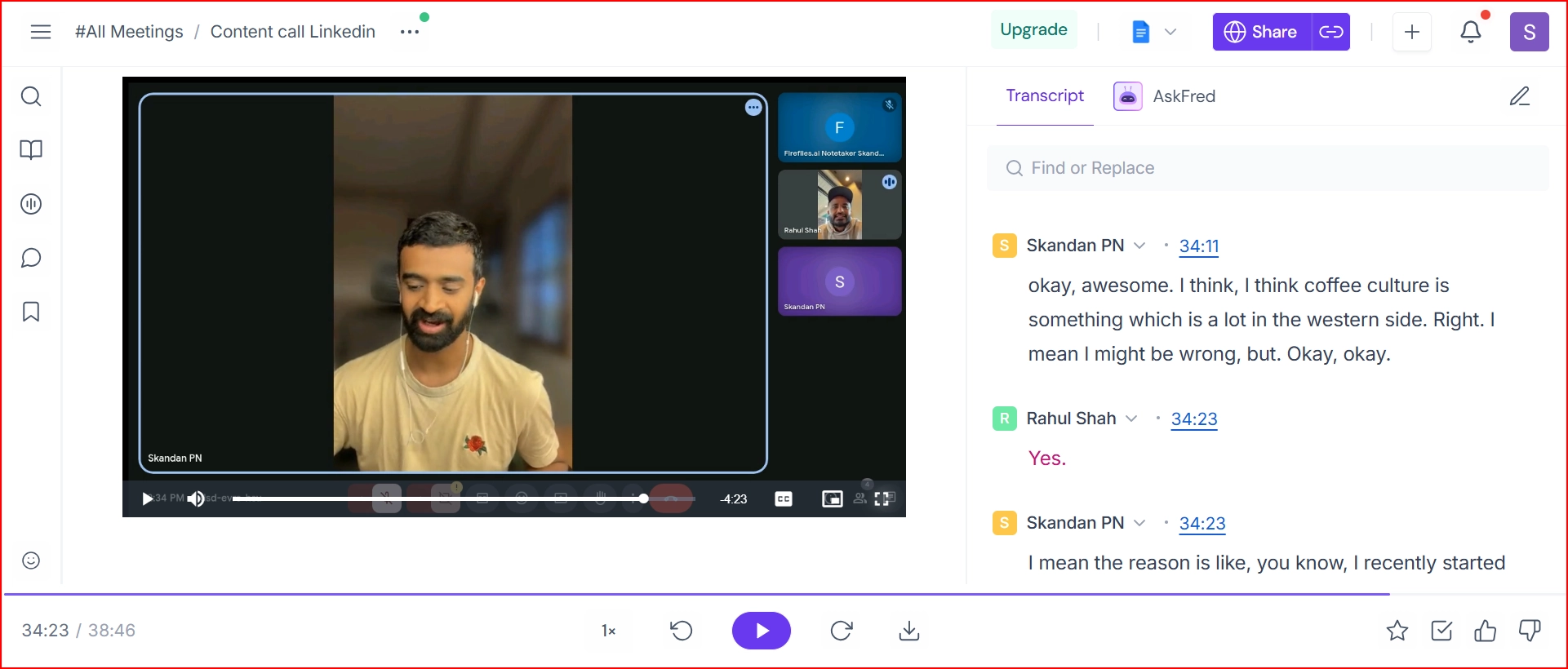
- Weekly content calls (60 minutes)
- Transcription & drafting
- Review & iteration
- Scheduling
Content Calls:
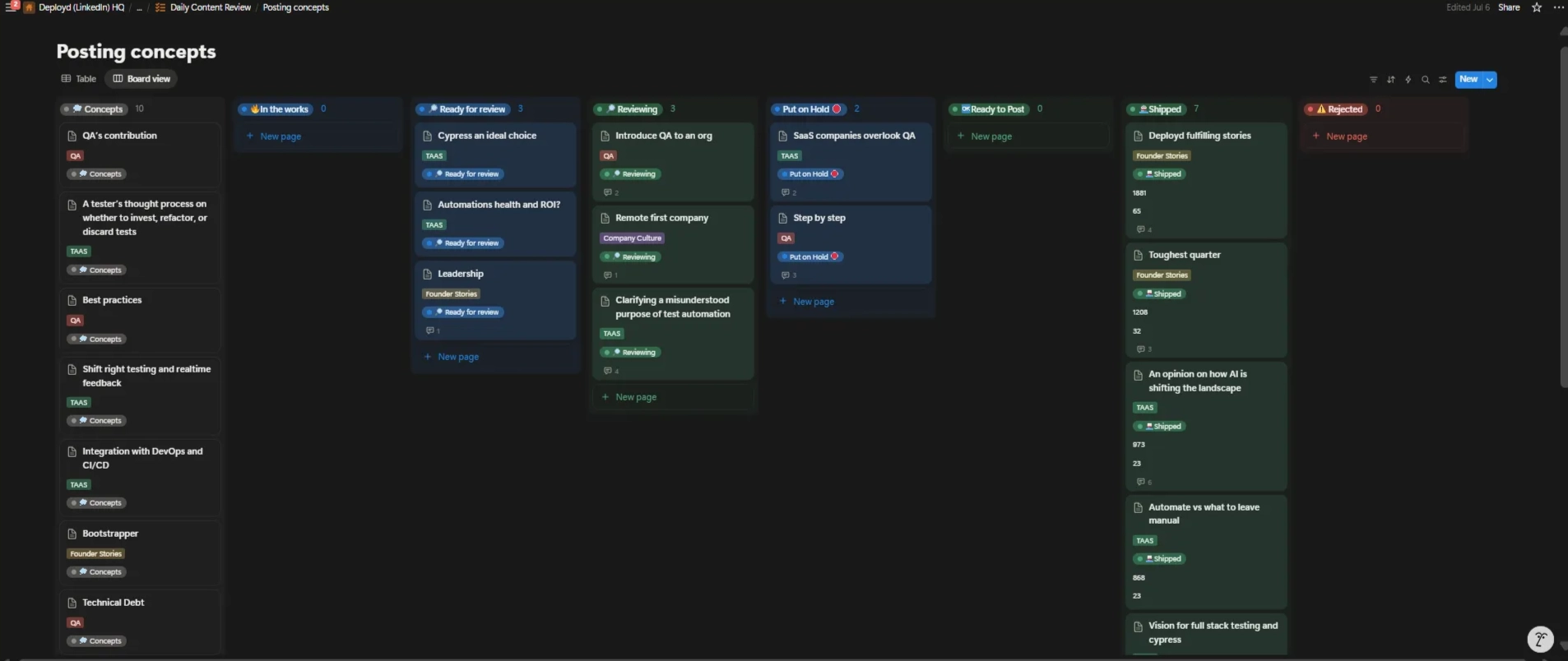
Content Tracking system:
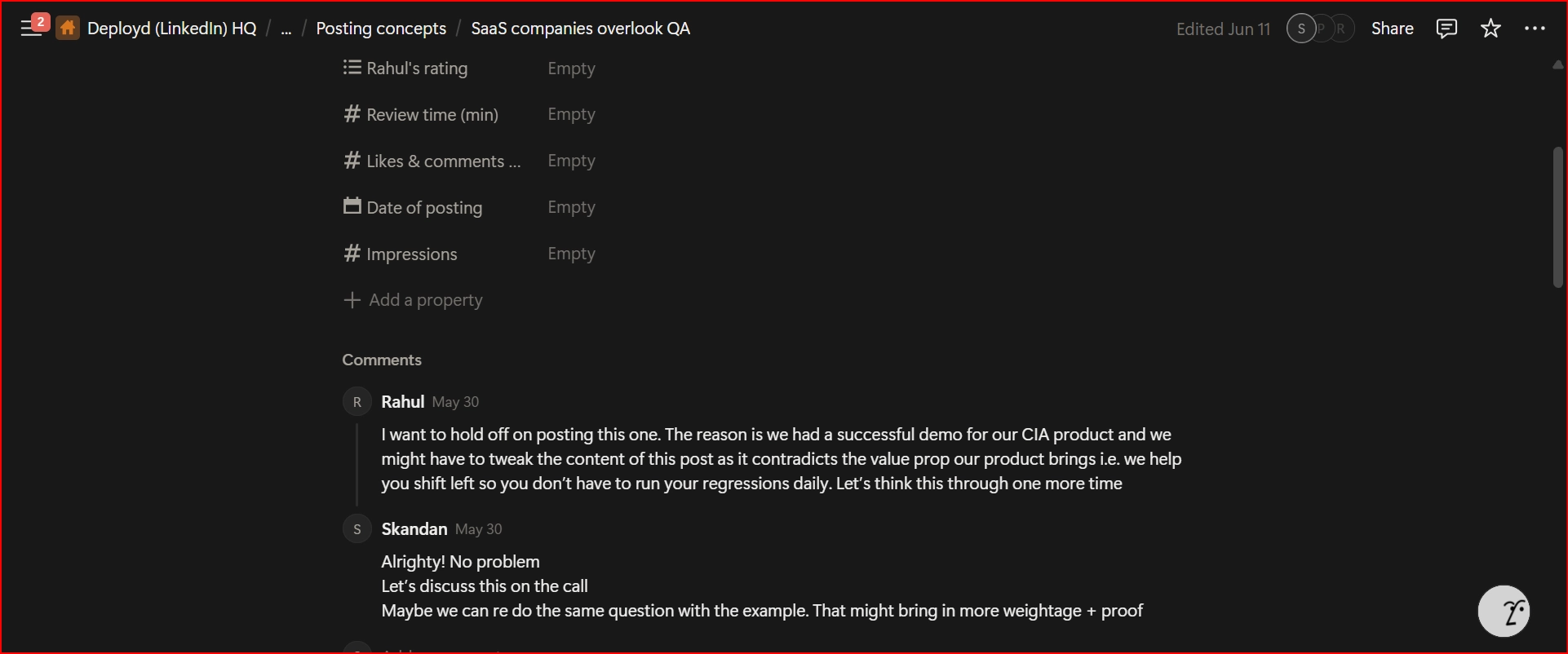
Reviewing Process:
Step 4: Posting Cadence
We prioritized quality over quantity, sticking to 2–3 posts per week.
Step 5: Competitive Landscape
When I ran a competitor analysis on LinkedIn, I found almost no LinkedIn activity from other QA/testing founders.
The QA space was silent. Yes it was a challenge since we had no clear idea of what could work or was already working in content but it also gave us a rare first mover advantage.
Step 6: Prioritization
Since Rahul’s industry lacked any visible voices, we decided to start our strategy by creating noise at the top of the funnel like founder stories, company updates and leadership insights.
4. The Execution
Building a successful founder brand motion isn’t just about posting content. It integrates multiple elements: positioning, profile optimization, engagement and systems for tracking impact.
1. Profile Optimization
- Banner
- Headline
- About Section
- Profile Picture
2. Commenting & Engagement
Instead of relying on comments for distribution, we made original content our primary driver of attention.
3. Content Collaboration
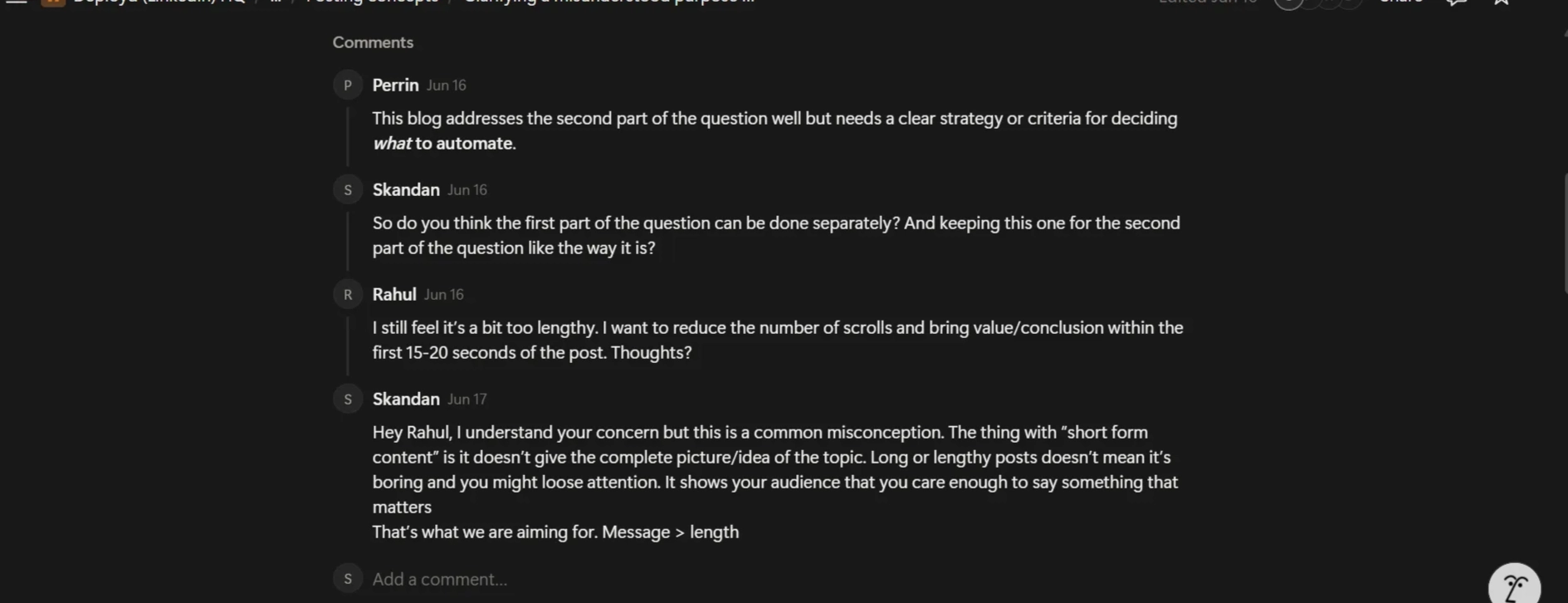
Content calls became the backbone of execution.
Rahul inviting a senior team player to join content calls:
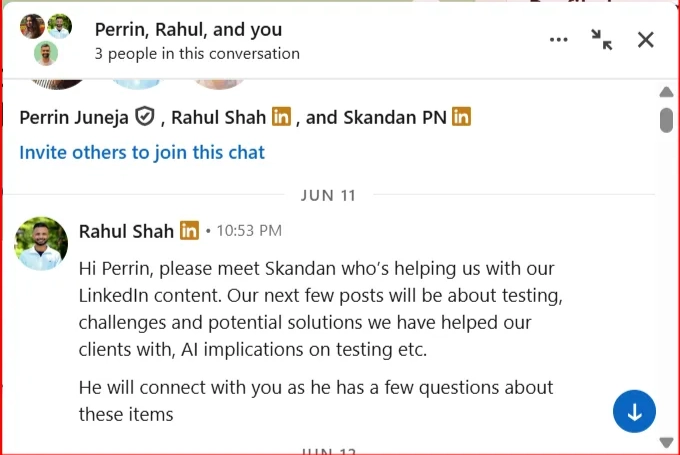
Rahul and his teammate providing feedback making content creation a collaborative system:
4. Sourcing Ideas
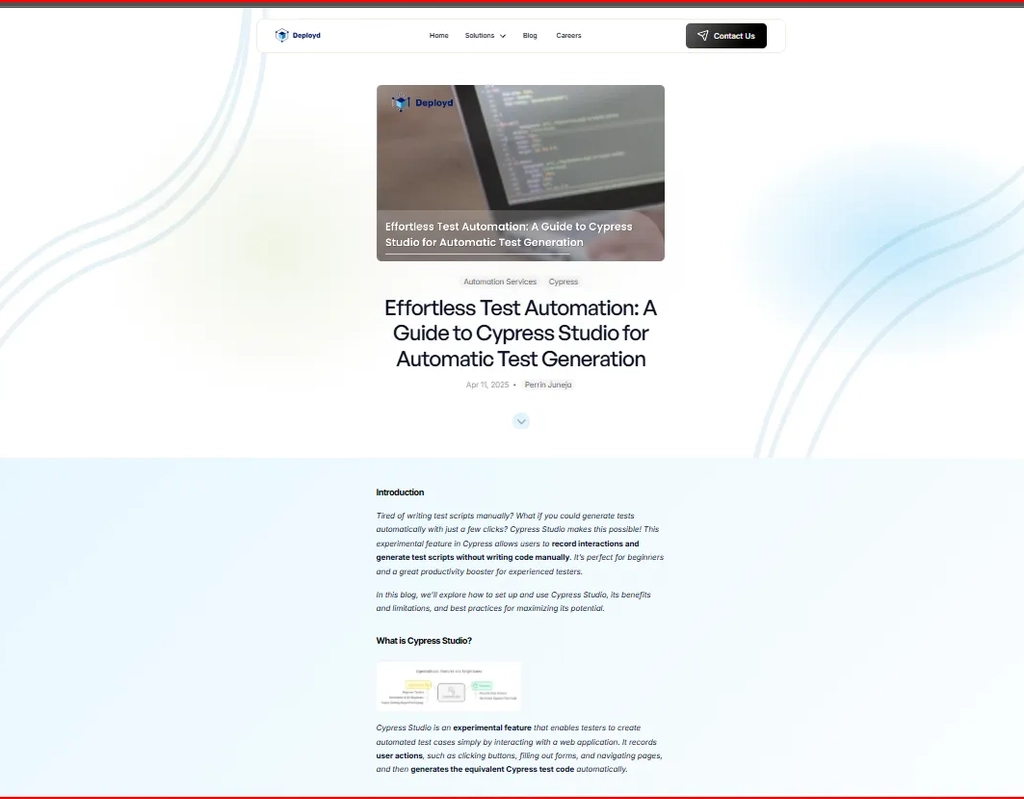
To look for ideas beyond the information provided on the onboarding survey, we leaned into Deployd’s existing blog library. These blogs reflected customer problems and solutions that his team was currently solving which made it perfect for repurposing. We turned these topics into questions during content calls, allowing Rahul and his teammate to expand on them in their own words.
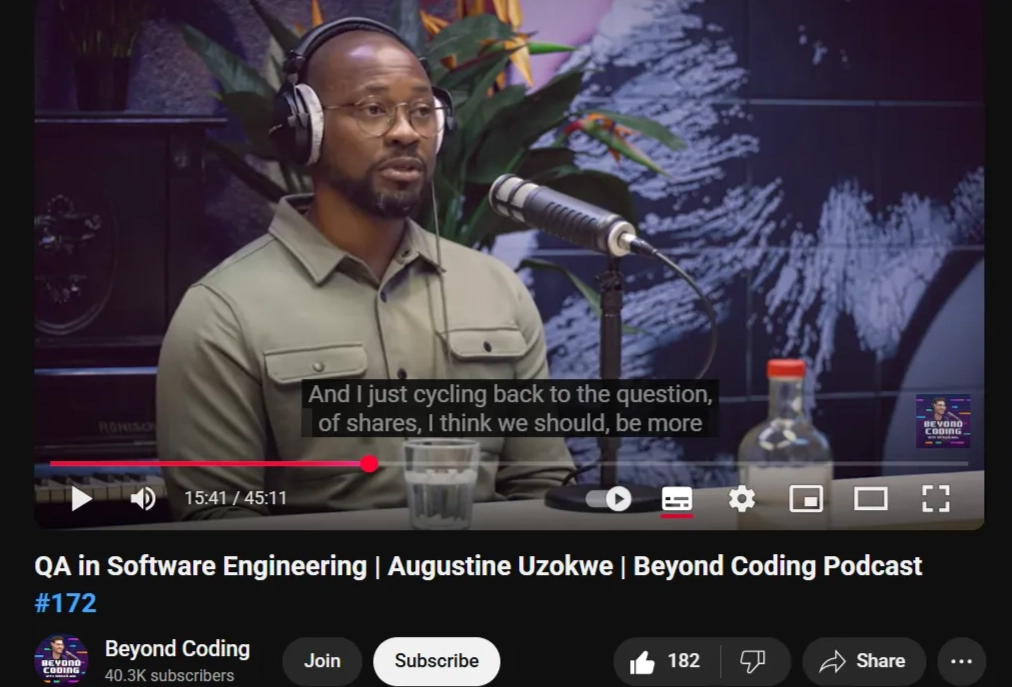
We also dug deeper and picked ideas from podcasts, few relevant people who were posting on LinkedIn.
Though it was tough to come to a conclusion about what would work and what can’t, it gave us ideas to brainstorm.
Ideas from Blogs:
Ideas From YouTube Podcasts:
5. Rahul’s Time Investment In the Process
Rahul was a super busy person. When we started working together, he was moving houses. He had teams in Chicago as well as India. Not only that but they were in the transition of starting SaaS, hoping on sales calls, focusing on product, team huddles etc. Keeping that in mind, I designed the process to minimize his time investment.
His participation in the process was to attend weekly content calls (60 minutes) which was strictly non negotiable and another 15-20 minutes to review and approve content.
So the overall time investment was 90 minutes/week and I took care of all the heavy lifting like writing content, analyzing, reporting, strategizing and scheduling.
This way we ensured he had skin in the game involved in seeing where the process stood and how it was progressing rather than being completely hands-off.
5. The Results
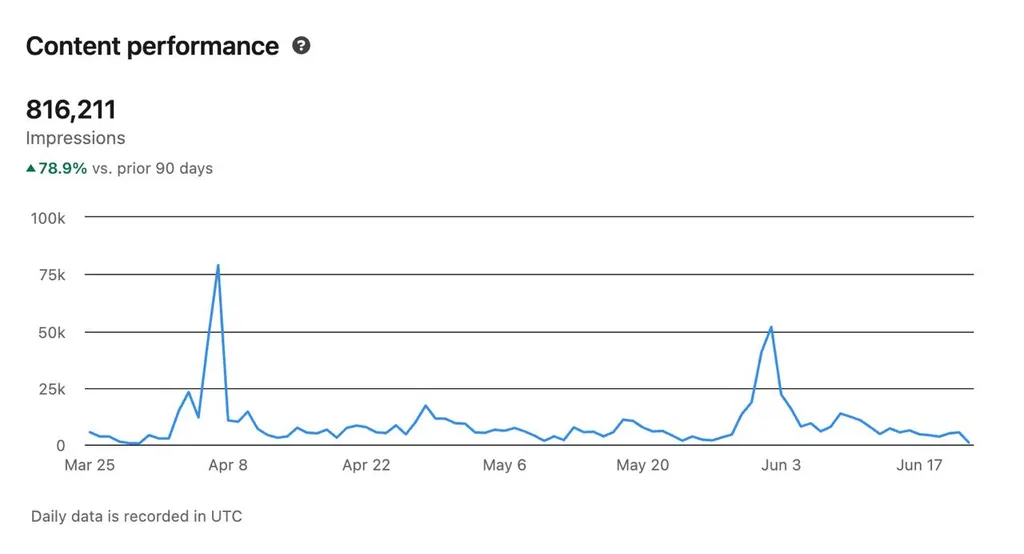
- Drove 800K+ impressions over 60 days (78.9% increase to be precise)
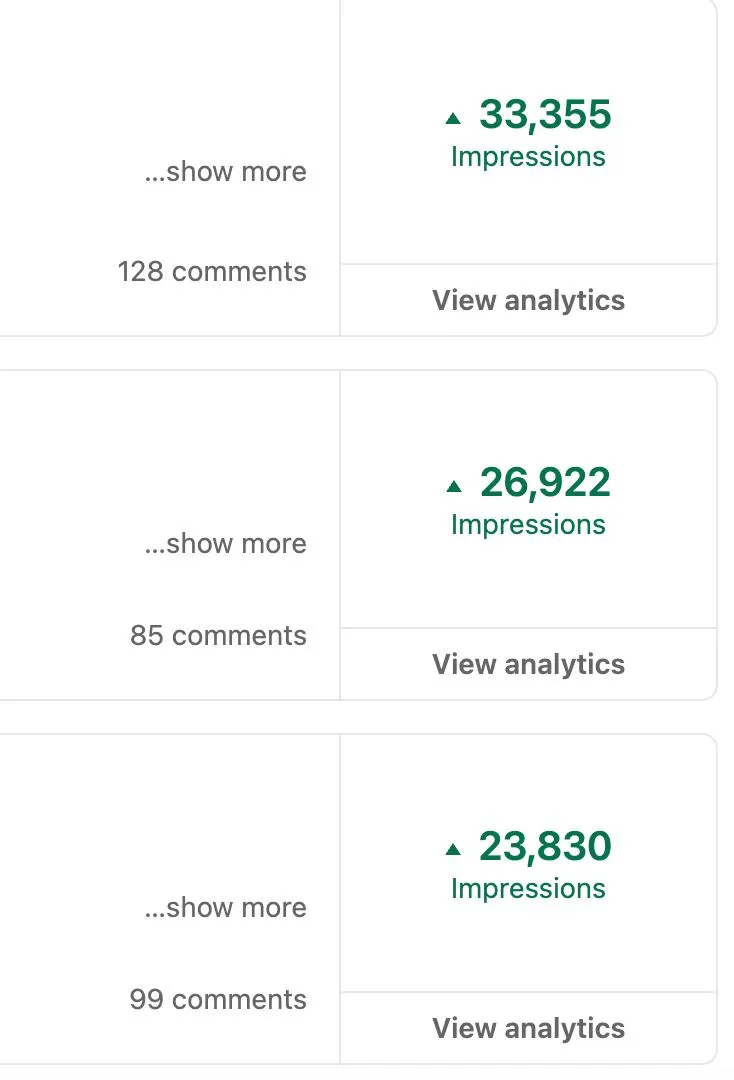
- Drove 20k+ impressions back to back
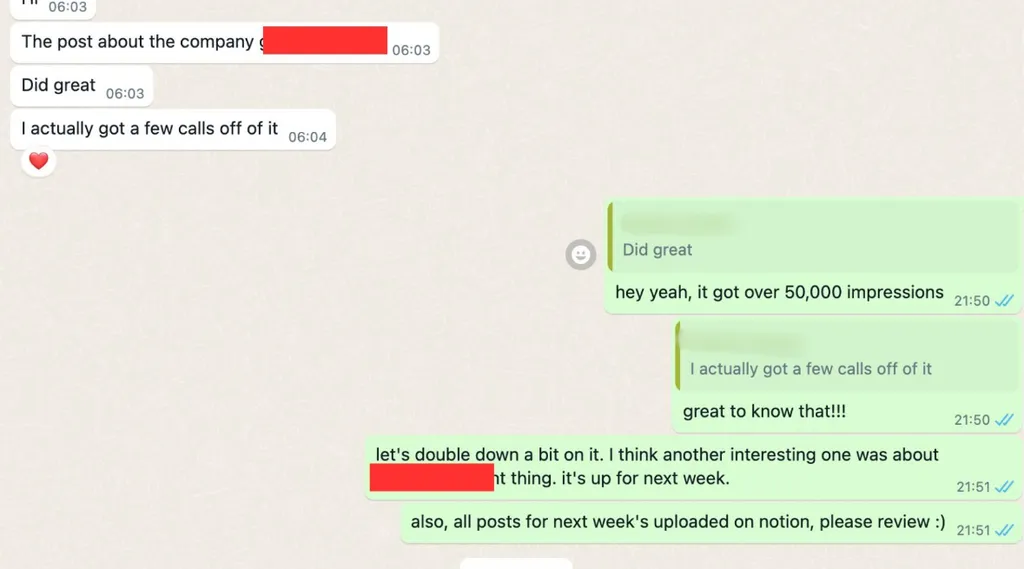
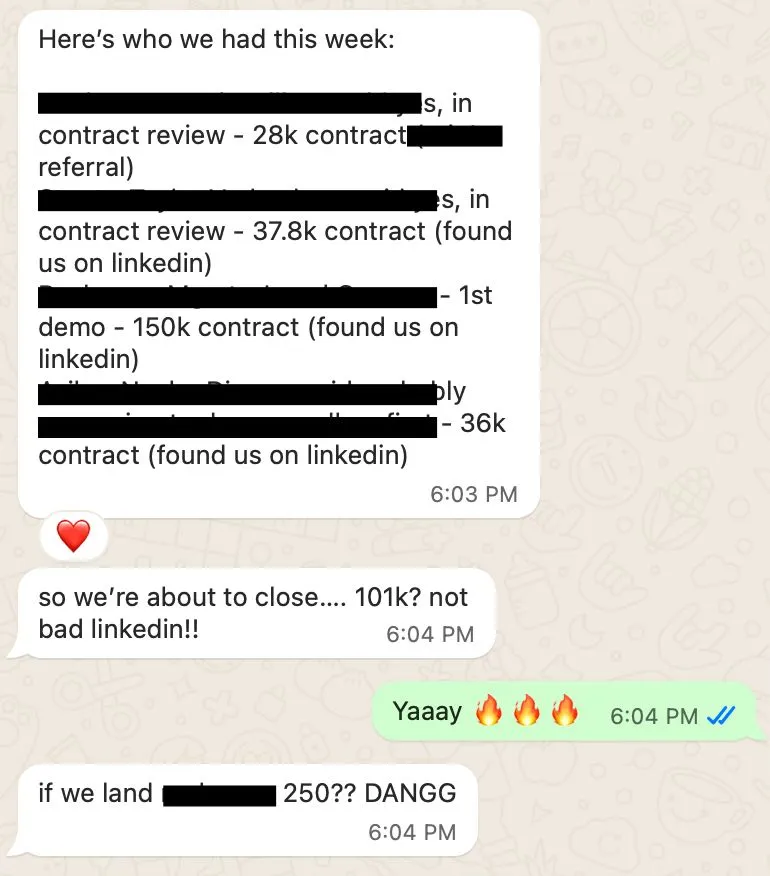
- Booked 4 calls
- $101K+ revenue in pipeline
Example of content and results that we produced:
- I founded deployd.io 2 years back. The most fulfilling part of building it didn’t come from big cheques or revenue...
- How deployd.io focused on Worksoft and became the go-to team
- AI and automation in testing: a myth debunked
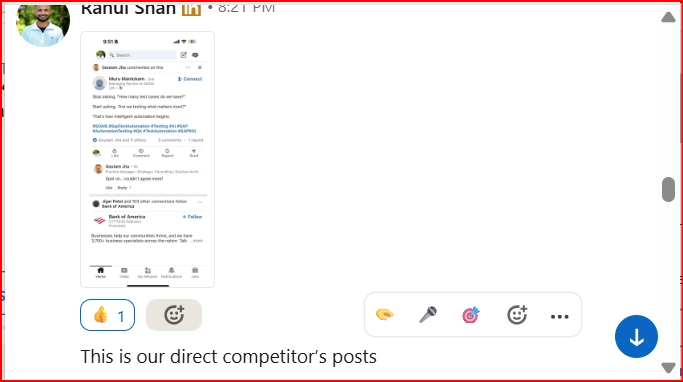
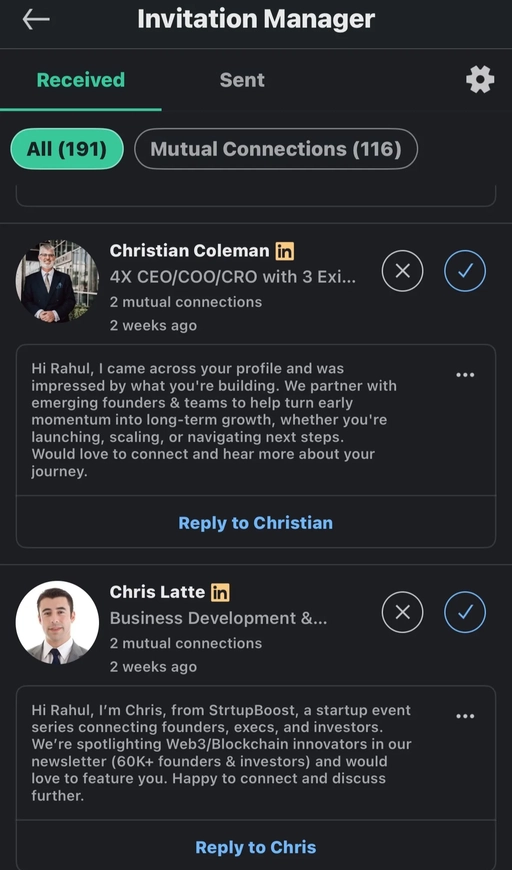
Direct competitor started posting (classic FOMO) 👇🏽
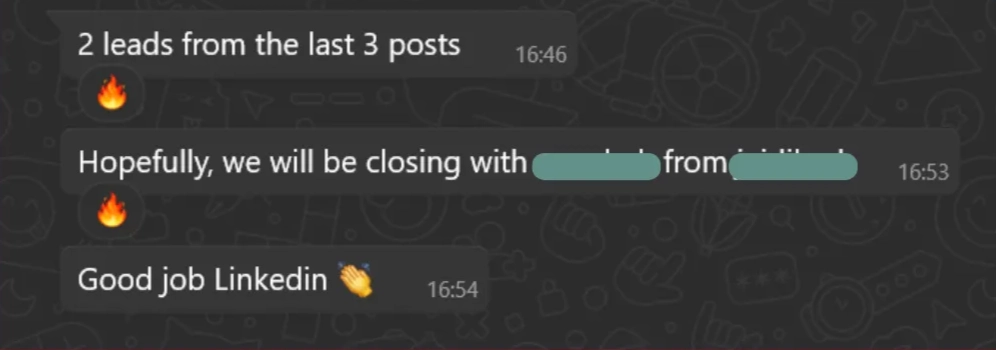
$101k+ revenue in pipeline:
6. My Reflections (as a strategist)
This project reinforced one key lesson for me: it doesn’t matter which industry you belong to anymore, buyers today behave very differently.
- They consume content online more than ever before.
- They no longer buy from logos, they buy from people (founders and leaders) who advocate for their company, share expertise openly and show the human side of building a business.
- They’re drawn to opinions, strong POVs and ideological solutions.
For founders and CEOs of B2B tech companies, this means one thing: you need to actively build your founder brand. By showing up consistently where your buyers spend time, you unlock outcomes such as:
- booking demos
- attracting partners and investors
- getting invited to events
- positioning yourself as the “default solution” in your category
Looking back at Rahul’s case, two things made the biggest difference:
- Content Calls: These ensured every post was original, transparent and deeply rooted in Rahul’s real experiences as a founder.
- Onboarding Survey: The 50+ question process gave us clarity on goals, ICP and messaging.
The biggest challenge early-stage tech companies face is distribution. You might have PMF, pricing and a great landing page but if you’re not visible, how will people know to buy from you?
Building a founder brand naturally becomes an obvious choice if you want to win in today’s B2B landscape.
How We Helped Ishan Sharma, CEO/Founder @ SellScale, Generate 200K+ Impressions and Book 2 Calls
Background Of The Client
Ishan Sharma is the Founder and CEO of SellScale, a GTM company building an AI powered outbound platform that writes, sends and manages personalized outreach for sales teams.
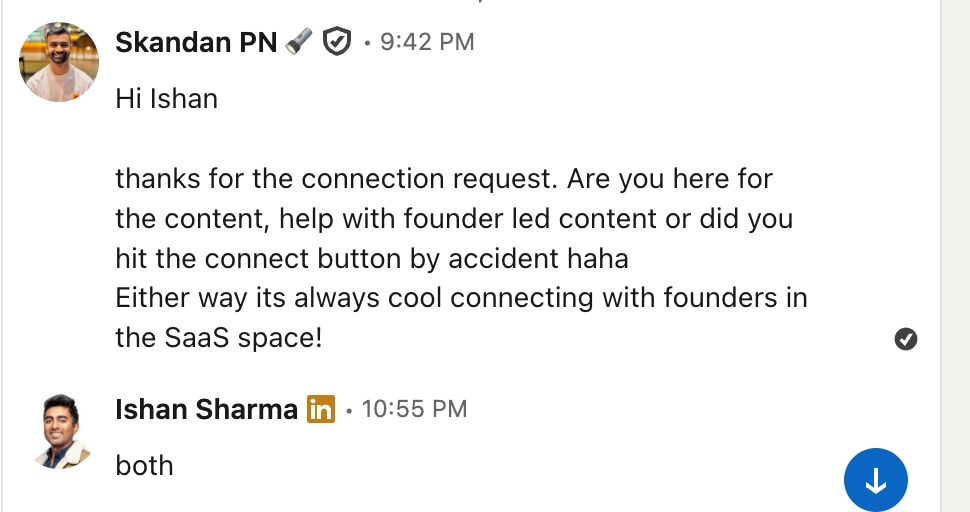
When I first reached out to him, I learned that he was already a big believer in social content. He clearly understood why LinkedIn content and a strong founder brand are powerful marketing vehicles.
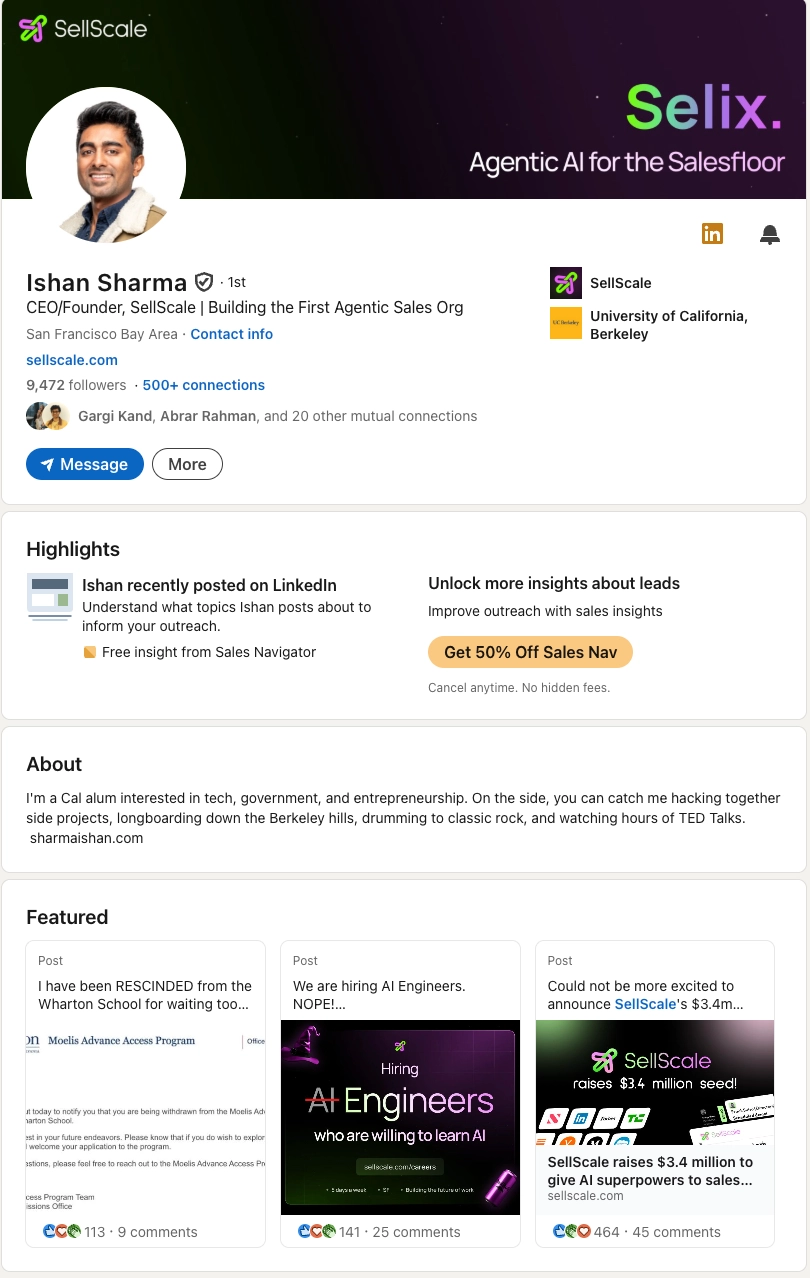
When I First Reached Out To Ishan
LinkedIn Activity Before We Started
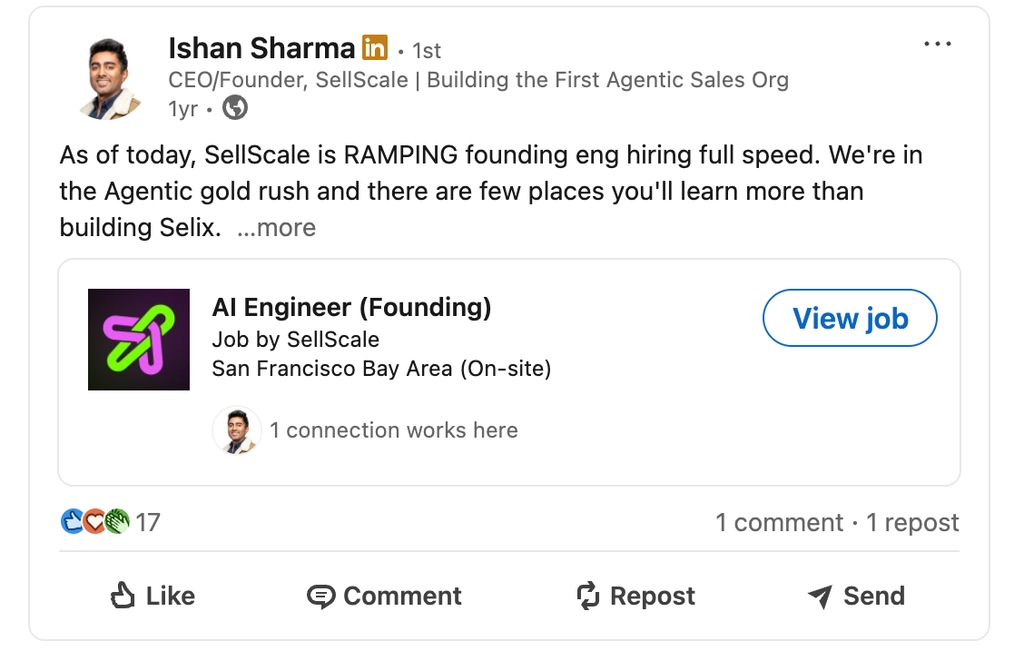
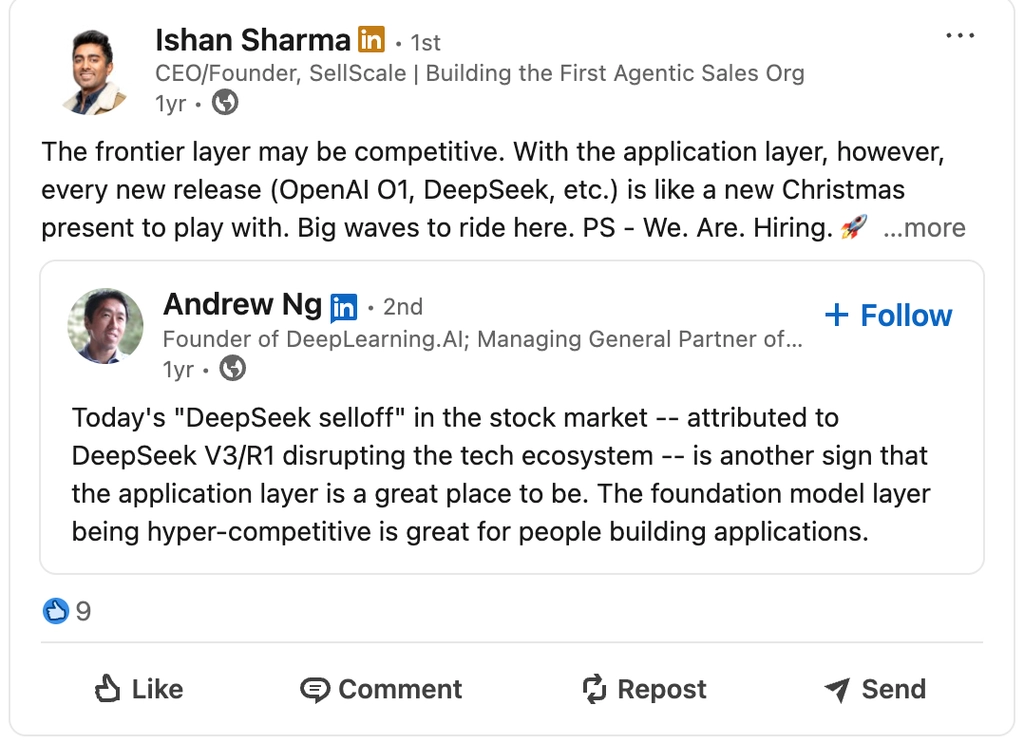
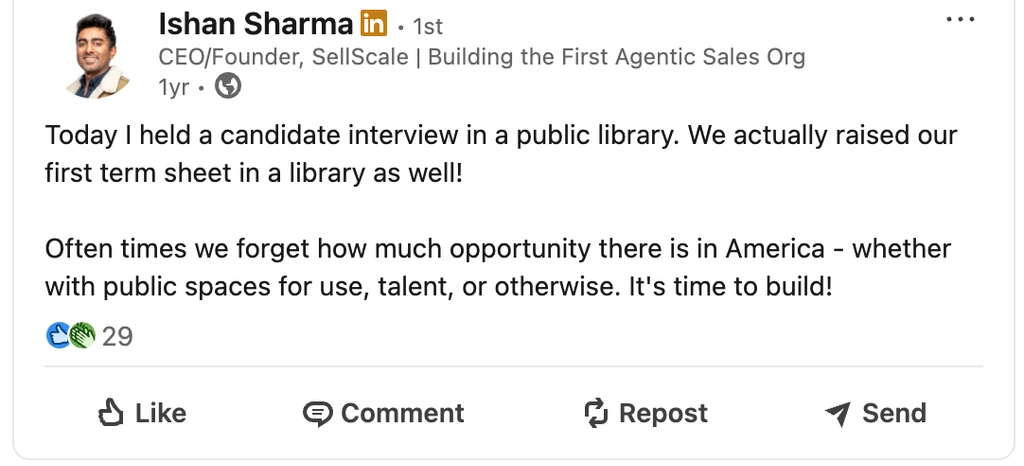
Before hopping on the call, I spent time reviewing his LinkedIn feed to understand how he was using the platform. What stood out was that his content wasn't fully leveraging LinkedIn’s potential. Most posts were hiring updates, company announcements or reposts.
The content felt corporate and lacked strong positioning or original perspectives that could establish him as a thought leader in his niche.
Understanding Pain Points and Goals
When Ishan expressed interest in building his founder brand, we scheduled a discovery call to understand his goals and the challenges preventing him from posting consistently.
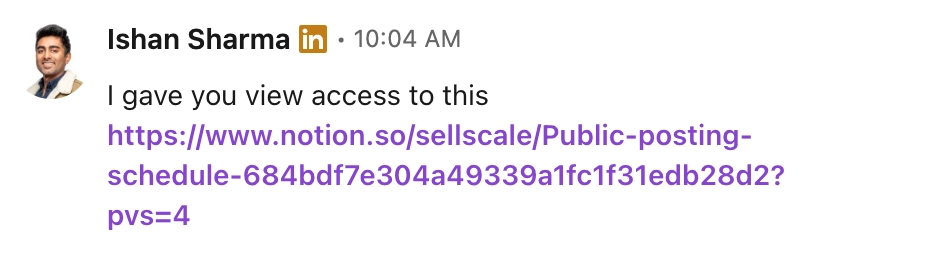
1. Time Constraints
Like most founders, he was busy running the company and did not have time to consistently plan, write and publish content.
2. Trust Issues
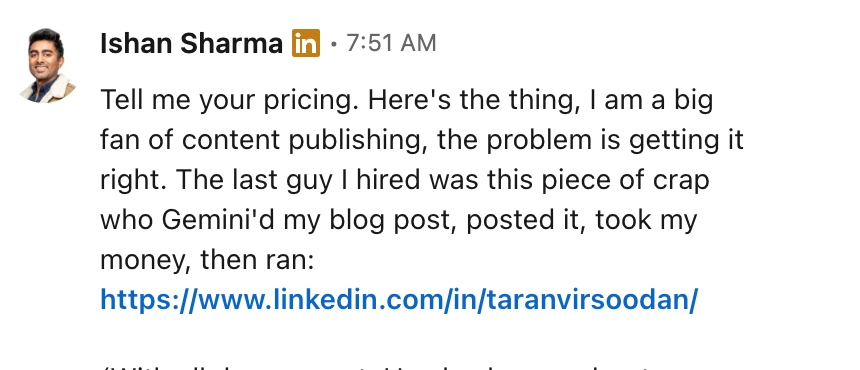
Before working with me, Ishan had hired someone who positioned themselves as a ghostwriter but was simply generating generic AI content and eventually disappeared with the money.
Experiences like this cause founders to lose trust and step away from building a presence online.
3. Lack of Best Practices
Although Ishan had strong opinions and ideas, there was no structured approach to content creation such as content pillars, posting cadence or ROI tracking.
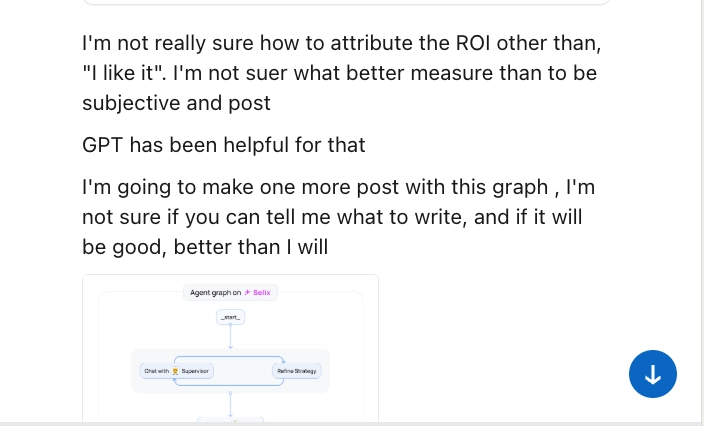
Goals
- Position himself as a subject matter expert in agentic outbound sales
- Increase visibility for SellScale
- Turn his insights into opportunities like partnerships, hires and leads
How We Agreed To Work Together
Because of his previous bad experience, there was hesitation in trusting another content partner.
To reduce risk and build trust, I offered a 1 month free trial so he could evaluate the process transparently before committing long term.


The Collaboration Setup
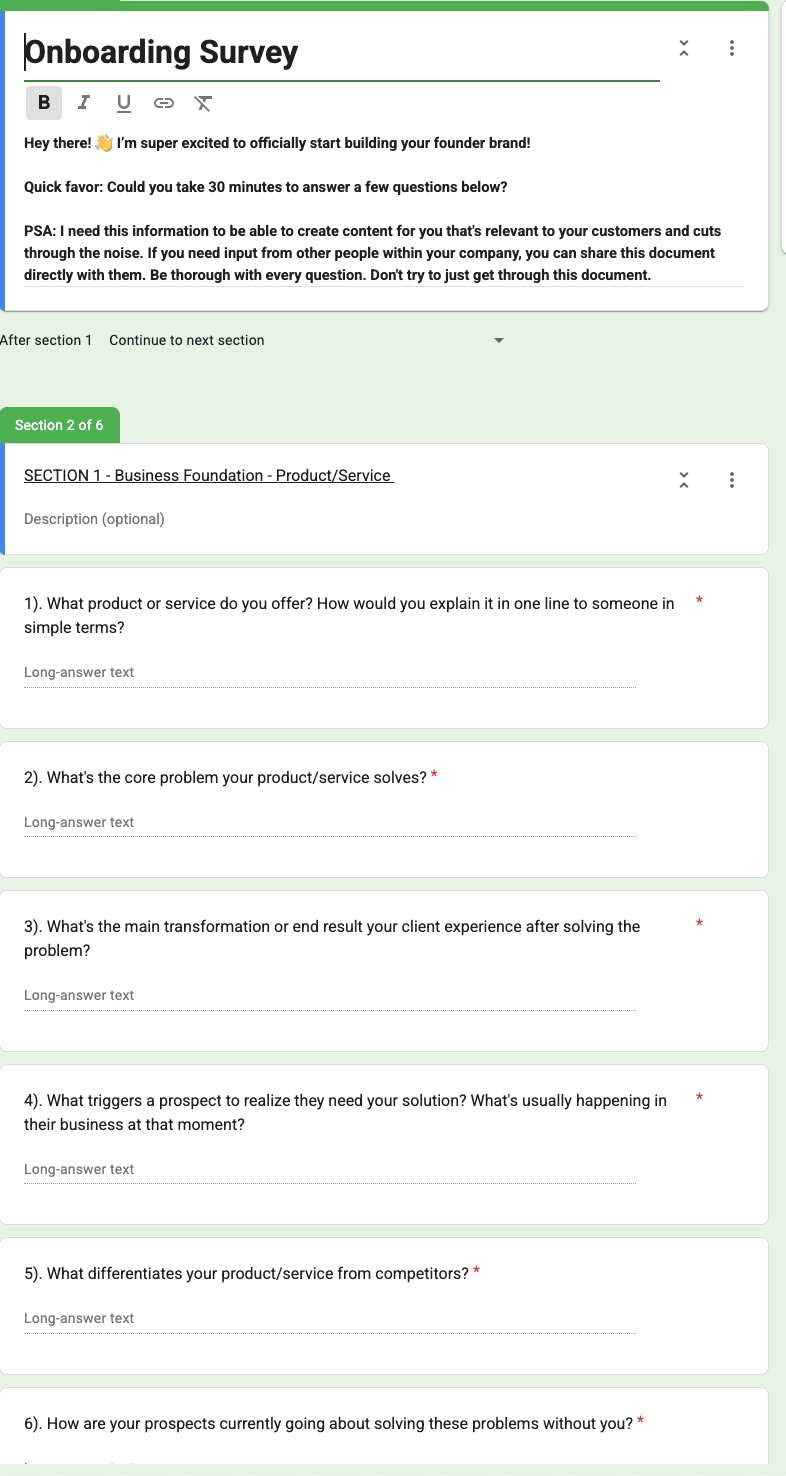
Step 1: Onboarding and Research
Ishan completed a detailed onboarding survey with more than 50 questions covering product positioning, ICP, subject matter expertise and communication style.
Step 2: Content Strategy
The strategy was structured into two funnels:
- 60% Middle-of-Funnel: Subject matter expertise
- 40% Top-of-Funnel: Founder journey and company insights
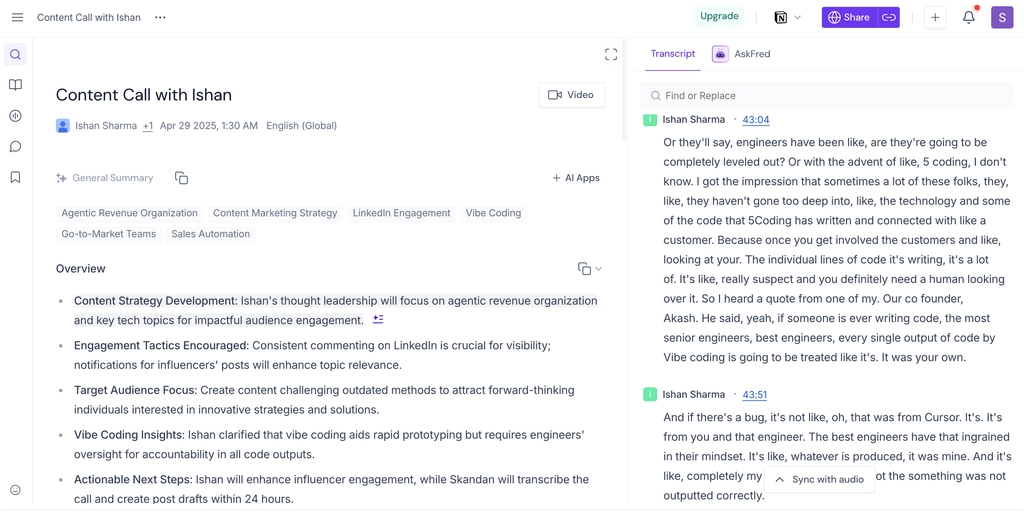
Step 3: Content Creation System
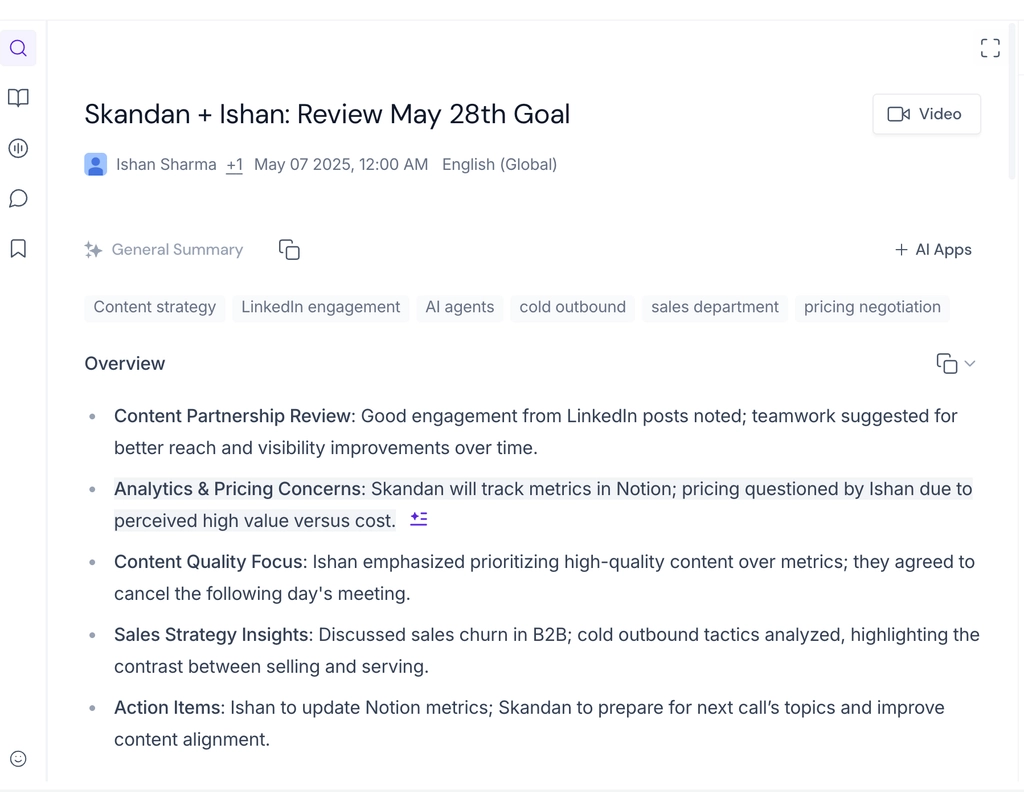
- Weekly 60-minute content calls
- Transcription and content drafting
- Collaborative review process in Notion
- Scheduled publishing

Posting Cadence
We focused on quality over quantity, publishing 2–3 posts per week to maintain consistency without sacrificing depth.
Competitive Landscape
Since the outbound sales category was highly competitive, we analyzed competitor content to identify patterns and opportunities.
The Execution
Founder-led growth involves more than just publishing content. We optimized several areas simultaneously.
Profile Optimization
- Clear banner communicating SellScale’s value proposition
- Headline explaining who he helps and how
- About section explaining the problem SellScale solves
- Updated profile photo
Engagement Strategy
Instead of random engagement, we created a curated list of ICPs, peers and industry leaders so he could focus his commenting efforts where it mattered most.
Building the Right Audience
Using LinkedIn Sales Navigator filters such as geography, company size, industry and seniority level, we built a targeted ICP list and sent 25 connection requests daily with an average acceptance rate of around 40%.
Ishan’s Time Investment
- 60 minute weekly content call
- 15–20 minutes reviewing drafts
- 10 minutes daily engaging on LinkedIn
Total involvement: ~120 minutes per week.
Everything else including writing, strategy, analytics and scheduling was handled by me.
The Results
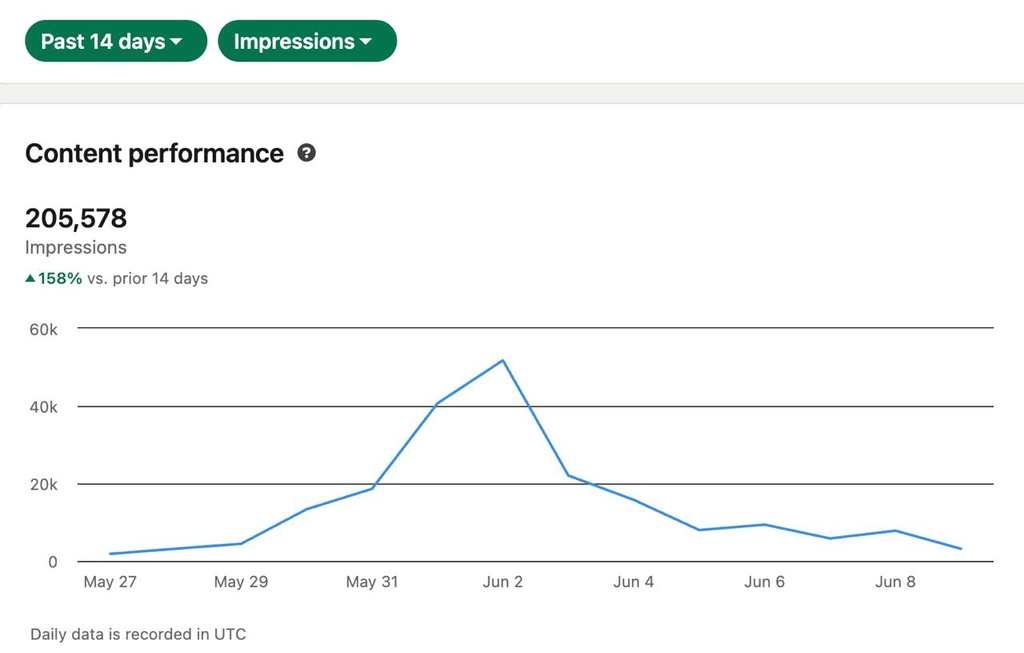
- 200K+ impressions generated in under 20 days
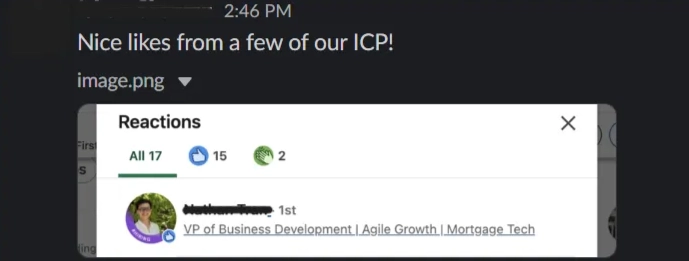
- Engagement from direct ICPs on the second post
- 2 inbound leads generated
- 1 sales call booked
Sample Content Produced
Engagement From ICPs
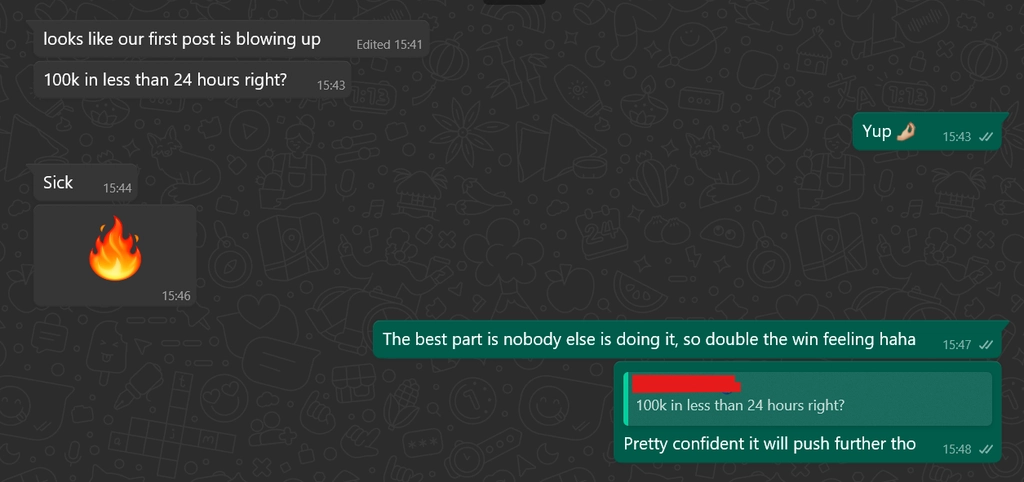
Impressions Growth
Inbound Leads